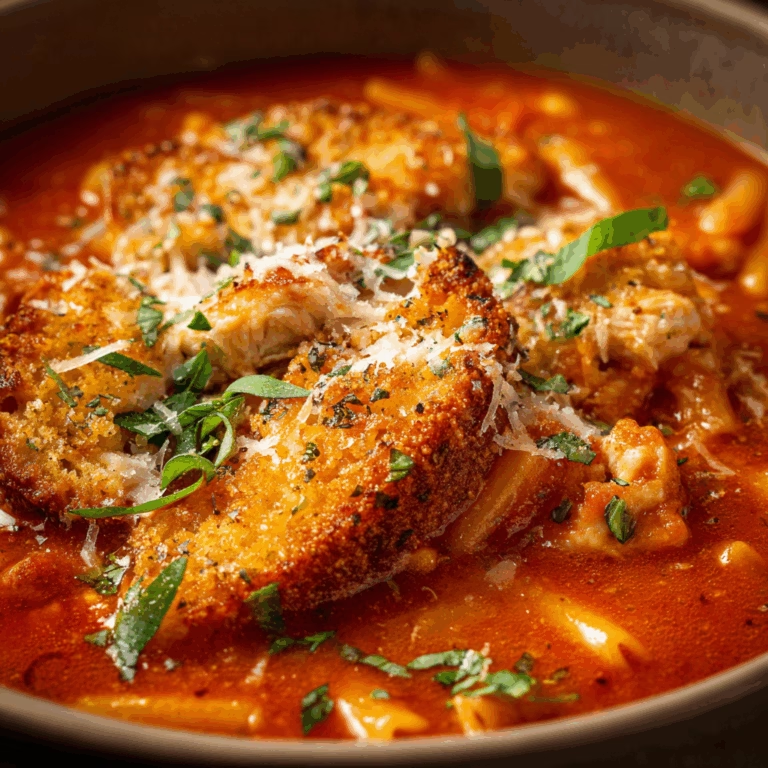
Easy Turkish Pasta Recipes to Try Today

If you’re craving something both comforting and bursting with vibrant flavors, you’ve got to try Turkish Pasta. This delightful dish blends rich spices, fresh herbs, and plant-based ingredients to create a meal that’s as satisfying as it is colorful. Discover easy Turkish Pasta recipes packed with vibrant flavors and plant-based ingredients for a delicious twist on classic dishes. Whether you’re a fan of hearty meals or looking to explore Mediterranean-inspired cooking, Turkish Pasta brings warmth and zest to your dinner table without any fuss.
Why You’ll Love This Recipe
- Simple yet flavorful: This Turkish Pasta recipe uses everyday ingredients that deliver a bold, authentic taste.
- Vibrant and colorful: Packed with fresh vegetables and herbs that create an inviting plate.
- Plant-based goodness: Uses wholesome ingredients that offer a nutritious and satisfying meal.
- Quick to prepare: Ready in under 30 minutes, perfect for busy weeknights or casual meals.
- Versatile and adaptable: Easy to customize based on your favorite flavors and dietary needs.
Ingredients You’ll Need
Gathering these simple but essential ingredients will set the stage for a delicious Turkish Pasta experience. Each contributes to the flavor, texture, and vibrant color of the dish, making it fresh and exciting.
- Short pasta: Choose penne or rigatoni for the perfect bite-sized base that holds the sauce well.
- Fresh tomatoes: Bring natural sweetness and acidity to balance the spices.
- Red bell peppers: Add a subtle sweetness and a lovely pop of color.
- Onion and garlic: Build a flavor-packed foundation with aromatic sharpness.
- Plant-based ground meat: Offers a meaty texture that blends seamlessly with the pasta and sauce.
- Spices: Cumin, paprika, and dried mint infuse warmth and authentic Turkish flavor.
- Vegetarian Worcestershire sauce (natural): Adds a savory depth and umami richness.
- Grape juice: Slightly sweetens and lifts the sauce without overpowering it.
- Fresh parsley and dill: Deliver herbal brightness to finish the dish beautifully.
- Olive oil: Used for sautéing to add a silky richness and healthy fats.
- Plant-based cheese: For a creamy, melty topping that complements the texture.
- Natural gelling agent: Perfect for thickening the sauce and bringing everything together.
Variations for Turkish Pasta
One of the joys of Turkish Pasta is how easy it is to tweak the recipe to your liking or pantry availability. Feel free to experiment with these variations to make the dish your own.
- Spicy kick: Add crushed red pepper flakes or a touch of Turkish pepper paste for extra heat.
- Veggie boost: Toss in chopped zucchini or eggplant for more texture and nutrition.
- Creamy twist: Use plant-based yogurt instead of cheese for a tangy finish.
- Vegan option: Skip the plant-based cheese and swap plant-based ground meat with lentils or mushrooms.
- Herbal variation: Swap dill for fresh mint or basil to change the aroma profile.

How to Make Turkish Pasta
Step 1: Prepare the Ingredients
Start by finely chopping onions, garlic, tomatoes, and red bell peppers. Have your fresh herbs washed and chopped to keep everything handy. Cook the pasta in salted boiling water until al dente, then drain and set aside.
Step 2: Sauté Aromatics and Plant-Based Meat
Heat olive oil in a large pan over medium heat. Add the onions and garlic, cooking until translucent and fragrant. Toss in the plant-based ground meat and cook until browned and crumbly, stirring often for an even texture.
Step 3: Add Vegetables and Spices
Stir in diced tomatoes and red bell peppers, cooking for a few minutes to soften. Sprinkle in cumin, paprika, and dried mint, then mix in vegetarian Worcestershire sauce (natural) and a splash of grape juice to balance flavors beautifully.
Step 4: Thicken with Natural Gelling Agent
Mix a small amount of natural gelling agent with water or grape juice, then add this to the sauce. Stir continuously until the sauce thickens to a luscious consistency that clings to the pasta.
Step 5: Combine Pasta and Sauce
Fold the cooked pasta into the sauce, ensuring every piece is coated generously. Allow it to simmer briefly so the flavors meld perfectly.
Step 6: Garnish and Serve
Remove from heat and sprinkle fresh parsley, dill, and plant-based cheese on top. Serve warm for the best experience.
Pro Tips for Making Turkish Pasta
- Cook pasta al dente: This helps maintain a satisfying bite and prevents mushiness when mixed with sauce.
- Use fresh herbs: They brighten the dish tremendously compared to dried alternatives.
- Don’t rush the sauté: Allow onions and garlic to soften completely for maximum flavor release.
- Adjust sweetness and acidity: Grape juice works wonders balancing the tanginess from tomatoes.
- Watch the sauce thickness: Adding the natural gelling agent carefully keeps the sauce perfect, not too runny or stiff.
How to Serve Turkish Pasta
Garnishes
There’s nothing like a sprinkle of freshly chopped parsley, dill, and a dusting of plant-based cheese to lift the whole dish. These garnishes add fresh color, a hint of herbaceous pop, and creamy richness to every bite.
Side Dishes
Pair this Turkish Pasta with crisp cucumber and tomato salad dressed lightly with lemon juice and olive oil. Warm flatbreads or lightly spiced roasted vegetables also complement the meal beautifully.
Creative Ways to Present
Serve the pasta in individual bowls topped with herb sprigs and a lemon wedge for added zest. For a festive touch, try layering it in a clear glass casserole dish to show off the vibrant colors before serving.
Make Ahead and Storage
Storing Leftovers
Keep leftover Turkish Pasta in an airtight container in the fridge for up to 3 days. Make sure it’s cooled completely before refrigerating to maintain textures and freshness.
Freezing
This pasta can be frozen, but it’s best to freeze the sauce and pasta separately if possible. Store in freezer-safe containers and consume within 2 months for best taste.
Reheating
Gently reheat in a saucepan over low heat. Add a splash of water or grape juice to loosen the sauce if needed and stir regularly to prevent sticking.
FAQs
Can I use a different type of pasta?
Absolutely! Fusilli, farfalle, or even spaghetti work well, though short, tube-shaped pasta tends to hold the sauce best.
Is Turkish Pasta spicy?
The base recipe is mildly spiced but can be easily adjusted to your preferred heat level by adding or omitting spicy ingredients.
Can I make this recipe vegan?
Yes, simply use plant-based cheese or skip it altogether and choose a plant-based meat alternative or hearty vegetables.
How long does Turkish Pasta last in the fridge?
Stored properly, it remains fresh and tasty for up to three days after cooking.
What is the best way to thicken the sauce?
Using a natural gelling agent mixed with a little water or grape juice gives a smooth, rich sauce that clings to the pasta beautifully.
Final Thoughts
Trying out this easy Turkish Pasta recipe brings a burst of fresh, authentic flavors to your home kitchen. The balance of spices and plant-based ingredients creates a comforting yet exciting meal that you’ll want to make again and again. Give it a go you might just find your new favorite pasta dish!
Related Posts
- 5 Easy Steps for Creamed Broccoli Casserole
- How to Make the Classic Tuna Melt Perfect
- Why Buffalo Tuna Pizza Is Your Next Favorite Dish

Turkish Pasta
- Total Time: 30 minutes
- Yield: 4 servings 1x
- Diet: Plant-Based
Description
Turkish Pasta is a comforting and vibrant plant-based dish combining rich spices, fresh herbs, and wholesome ingredients for a colorful and satisfying meal. Ready in under 30 minutes, it blends penne or rigatoni pasta with sautéed aromatics, plant-based ground meat, fresh vegetables, and a luscious sauce thickened with a natural gelling agent, finished with fresh parsley, dill, and plant-based cheese.
Ingredients
Pasta and Base
- 200g short pasta (penne or rigatoni)
Vegetables and Aromatics
- 2 medium fresh tomatoes, diced
- 1 red bell pepper, diced
- 1 medium onion, finely chopped
- 3 garlic cloves, minced
Protein and Dairy
- 150g plant-based ground meat
- 50g plant-based cheese, shredded
Spices and Flavorings
- 1 tsp cumin
- 1 tsp paprika
- 1/2 tsp dried mint
- 1 tbsp vegetarian Worcestershire sauce (natural)
- 50 ml grape juice
Herbs
- 2 tbsp fresh parsley, chopped
- 2 tbsp fresh dill, chopped
Other
- 2 tbsp olive oil
- 1 tsp natural gelling agent (mixed with a little water or grape juice)
Instructions
- Prepare the Ingredients: Finely chop onion, garlic, tomatoes, and red bell pepper. Wash and chop fresh parsley and dill. Cook pasta in salted boiling water until al dente, drain, and set aside.
- Sauté Aromatics and Plant-Based Meat: Heat olive oil in a large pan over medium heat. Add onions and garlic; cook until translucent and fragrant. Add plant-based ground meat and cook until browned and crumbly, stirring frequently for even texture.
- Add Vegetables and Spices: Stir in diced tomatoes and red bell pepper; cook for a few minutes to soften. Sprinkle in cumin, paprika, and dried mint. Mix in vegetarian Worcestershire sauce (natural) and grape juice to balance flavors.
- Thicken with Natural Gelling Agent: Mix the natural gelling agent with water or grape juice as needed, then add to the sauce. Stir continuously until the sauce thickens to a luscious consistency that clings to the pasta.
- Combine Pasta and Sauce: Fold the cooked pasta into the sauce, ensuring every piece is generously coated. Let it simmer briefly to meld the flavors.
- Garnish and Serve: Remove from heat and sprinkle fresh parsley, dill, and plant-based cheese on top. Serve warm for the best taste experience.
Notes
- Cook pasta al dente to maintain a firm bite and prevent mushiness when mixed with sauce.
- Use fresh herbs for a brighter and fresher flavor compared to dried alternatives.
- Allow onions and garlic to soften completely during sautéing for maximum flavor release.
- Adjust sweetness and acidity carefully; grape juice balances the tanginess of the tomatoes effectively.
- Add the natural gelling agent slowly to control sauce thickness and avoid a runny or overly stiff texture.
- Prep Time: 10 minutes
- Cook Time: 20 minutes
- Category: Main Course
- Method: Sautéing
- Cuisine: Mediterranean
Nutrition
- Serving Size: 1 cup
- Calories: 320
- Sugar: 7g
- Sodium: 350mg
- Fat: 12g
- Saturated Fat: 2g
- Unsaturated Fat: 8g
- Trans Fat: 0g
- Carbohydrates: 40g
- Fiber: 5g
- Protein: 12g
- Cholesterol: 0mg
Keywords: Turkish Pasta, plant-based pasta, Mediterranean pasta, vegetarian pasta, quick pasta recipe, vibrant pasta dish